International Preschool in Suchy Las
What does a (un)usual day look like for a preschooler at World International School Early Years?
Imagine a day full of discoveries, fun, and learning – all in English.
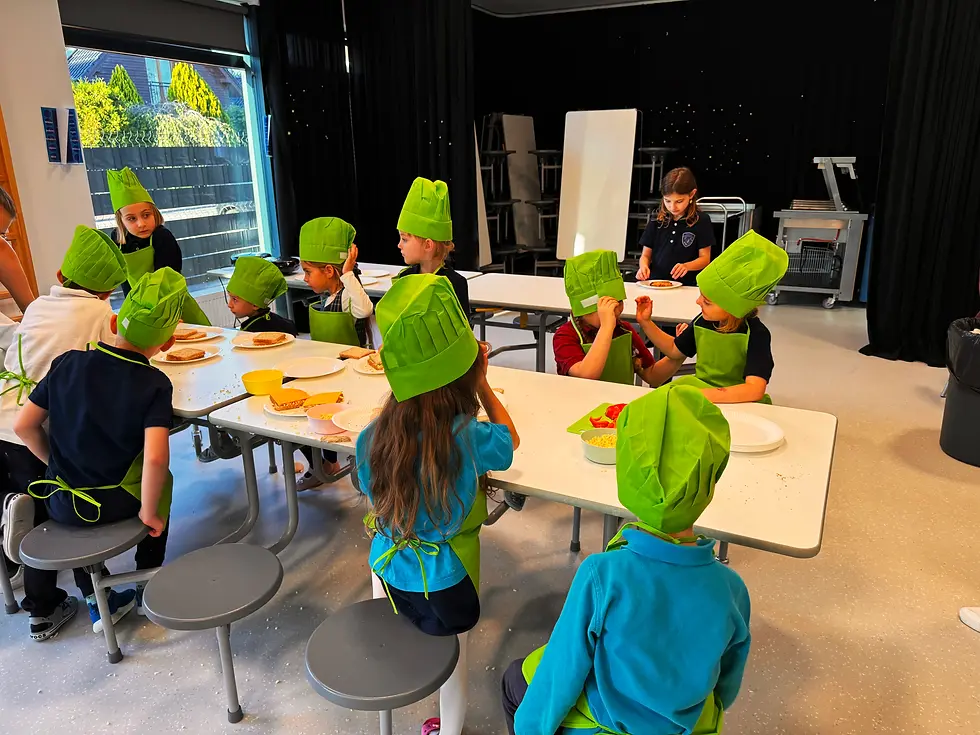
In our international preschool, children start their morning with group activities, then develop their talents during themed lessons, and spend the afternoons engaging in creative play and learning through experience. Each day offers natural exposure to the language, cultural diversity, and countless opportunities to nurture curiosity about the world.

Happy days

Progress
A typical day schedule
Children arriving at preschool, free play, individual speech therapy sessions, reading on the carpet
7:30 – 9:00
Breakfast
9:00 – 9:30
Polish educational activities
9:30 – 10:00
Playground, walk, outdoor activities
10:00 – 10:45
Cambridge lessons
10:45 - 11:15
Soup
11:15 - 11:30
Dance, rhythm, sensory activities, speech therapy workshops, psychological workshops
11:30 – 12:00
Relaxation, reading books, listening to music, resting with a pillow
12:00 – 13:30
Lunch
13:30 – 14:00
Cambridge Lessons
14:00 – 14:30
Afternoon treat
14:30 – 15:00
Extracurricular activities, free play, going home
15:00 – 17:30

Progress
Good routine
Routine gives children a sense of security and structure in their daily activities. Repeated elements of the day build harmony and predictability, supporting a calm atmosphere that encourages learning and play.

Rest
Rest is an important part of the day. In our preschool, children have access to cosy beds, and teachers read stories in both Polish and English, creating a calm and soothing atmosphere. Each child decides for themselves whether they would like to sleep – if not, they can listen to stories, do puzzles, colour, or look through books during this time.

Internationalism
An international environment means that children meet teachers and peers from different countries every day. As a result, they learn openness, respect and tolerance, while also discovering customs, flavours and traditions from around the world. Multiculturalism becomes a natural part of shared play and learning.

Healthy relationships
We are guided by the idea of “giraffe language”, which refers to Nonviolent Communication (NVC). With children, we build relationships based on respect and empathy – we listen to them, understand their emotions, support them in communication, and teach them how to express their needs. We respect personal boundaries, which is why each child chooses their own form of greeting or farewell – from a smile to a hug. We also support children in building friendships and expressing their feelings.

Trips
From the age of three, children take part in regular educational trips. During these outings, they explore nature, learn about culture, and experience art in a practical and engaging way. These trips give them the opportunity to gain new experiences beyond the preschoolclassroom.

Art
Together with the children, we prepare English-language performances, concerts, and family events. On a daily basis, we engage with culture and the arts – attending concerts and shows, and inviting artists into our space. We also involve parents in our activities, as they share their experiences and inspire children with new perspectives.